
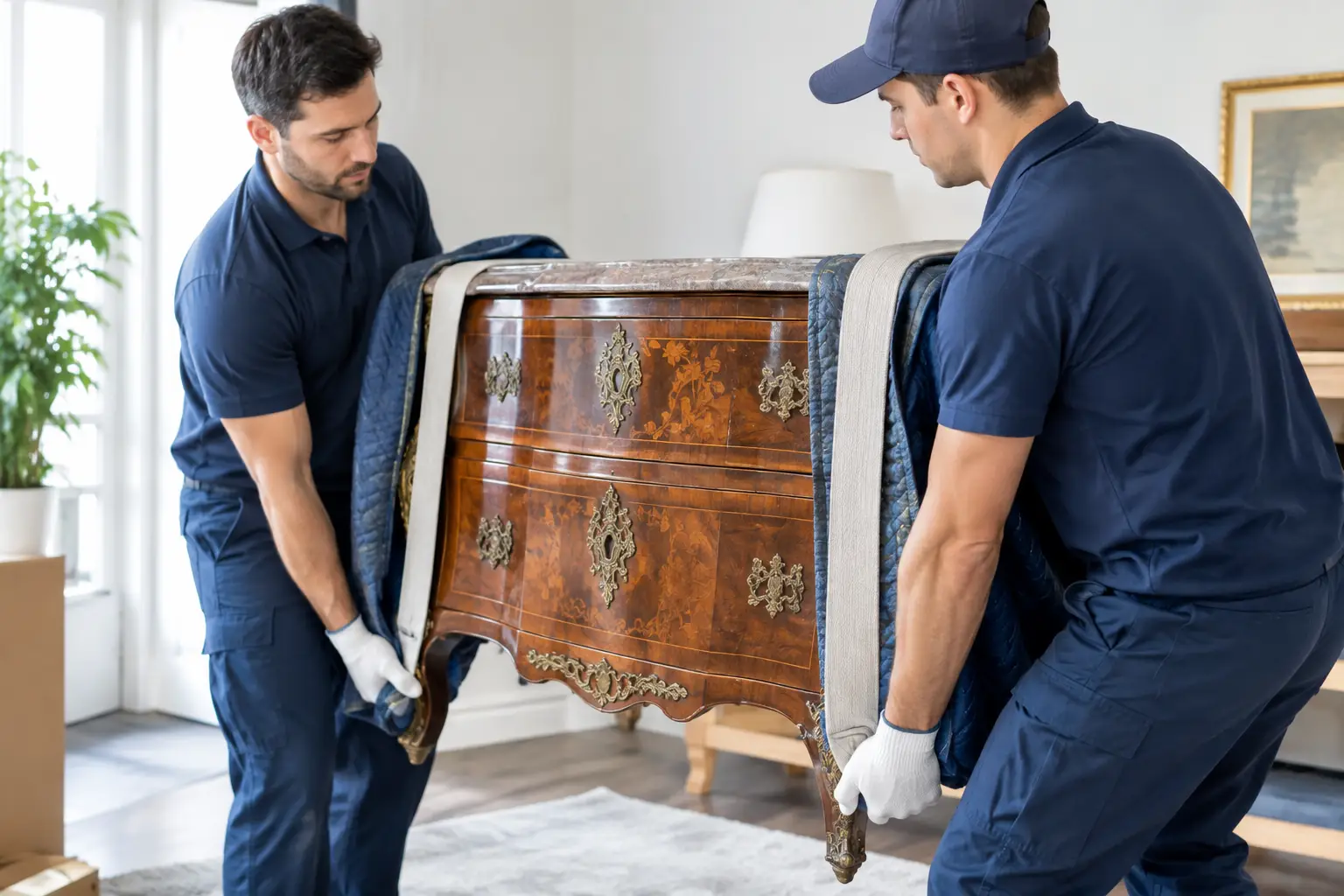
A hand-carved dining table, a grandfather clock, or a china cabinet passed down through family can make a move feel personal fast. Knowing how movers handle antiques helps you plan with more confidence, ask better questions, and protect pieces that cannot simply be replaced at a store.
Antiques are not just old furniture. They may have delicate joinery, original glass, fragile veneer, hand-painted finishes, or value that depends on their condition. A careful move starts before moving day, with clear communication between you and your moving crew.
Why antique moving needs a different approach
A sturdy modern dresser can often handle normal moving preparation. An antique dresser may have a weakened drawer stop, a loose mirror, or decades-old hardware that shifts under pressure. Even a piece that looks solid can have hidden vulnerabilities.
Age alone does not determine how much care an item needs. A well-built oak sideboard may travel safely with standard furniture protection, while a newer reproduction with thin decorative legs may require extra attention. Material, condition, size, existing damage, and sentimental or financial value all matter.
For that reason, it helps to point out every antique during an estimate or before the crew begins loading. Tell the movers about loose parts, repairs, fragile surfaces, and any special instructions you have received from an appraiser, restoration professional, or manufacturer. Good information helps the crew choose the right handling plan instead of making assumptions at the truck.
How movers handle antiques from room to truck
Professional antique handling is a sequence, not one quick wrap-and-carry step. The goal is to reduce movement, friction, pressure, and exposure throughout the move.
Start with a condition check
Before packing, take clear photos of each piece from several angles. Capture close-ups of scratches, chips, loose veneer, cracks, and labels or maker's marks. This gives you a useful record of the item's condition and helps you notice if a piece needs repair before it moves.
Remove items stored inside cabinets, desks, and drawers. Loose contents add weight and can shift, while heavy objects can strain older drawer bottoms. If drawers are structurally sound and empty, a crew may secure them closed rather than remove them. That decision depends on the piece and the route to the truck.
Protect surfaces and vulnerable parts
Movers commonly use clean moving pads, stretch wrap where appropriate, and sturdy cartons for detached components. Pads create a barrier against rubbing and minor impacts. Wrap can help hold protective pads in place, but it should not be applied carelessly against a delicate finish, especially if heat or humidity is a concern.
Glass shelves, marble tops, mirrors, and detachable legs need their own plan. They may be removed, protected separately, and labeled so they return to the correct piece. Hardware should be bagged and identified clearly. A small labeled bag can prevent a major headache when it is time to reassemble a cabinet or bed.
For especially fragile pieces, extra padding and a dedicated box may be the better choice. The right method depends on the item. A clock with internal mechanisms, for example, may require guidance from a clock specialist before it is moved. A professional mover can protect and transport it, but mechanical preparation may be outside ordinary moving service.
Use the right carry and loading methods
Antiques should be lifted from strong structural points, not pulled by decorative trim, drawer handles, or chair arms. Crews may use dollies, shoulder straps, or team lifting depending on the item's weight and shape. The route matters too. Tight stairwells, gravel driveways, rain, and narrow doorways all change the safest way to move an item.
Inside the truck, antiques are typically positioned to limit shifting. Furniture pads, careful stacking, tie-downs, and separation from heavy or sharp-edged items help reduce risk during transport. Nothing about this process should feel rushed. A few extra minutes to protect a piece properly are worth it.
What to do before your antique movers arrive
Your preparation makes a real difference. Clear pathways through the home and measure tight areas such as hallways, stair landings, door frames, and elevators. If a large piece cannot fit through a normal route, tell the moving company ahead of time. Planning for disassembly, an alternate entrance, or specialty assistance is far better than discovering the issue on moving day.
Keep antiques away from packed boxes, tools, and foot traffic while you finish preparing. If possible, place a note on pieces that need special attention. A simple note such as “fragile glass top” or “do not lift by arms” gives the crew a helpful reminder, but you should still speak directly with the team lead.
It is also wise to decide what will travel with you. Small heirlooms, jewelry, original documents, photographs, coins, and highly valuable collectibles are often best kept in your personal vehicle. This is not a reflection on your movers. It is a practical way to maintain direct control over compact items with exceptional value.
Ask the questions that protect your antiques
You do not need to be an antique expert to hire the right moving help. You do need a clear conversation before booking. Ask whether the company is licensed and insured, how it handles furniture with glass or fragile finishes, and whether it has experience with oversized or unusually heavy items.
Discuss insurance coverage and valuation options carefully. Basic moving coverage and an antique's appraised value are not always the same thing. If an item has significant financial value, speak with your insurance agent and review your homeowner's or renter's policy before the move. An appraisal may also be worthwhile for pieces that are rare, collectible, or difficult to replace.
If you are moving across town in Bentonville or relocating from Fayetteville, Rogers, Springdale, or another Northwest Arkansas community, local conditions deserve attention as well. Weather can change quickly, and steep driveways or rural access routes may affect the moving plan. Share those details when requesting your estimate.
When specialty help is the better call
There are times when standard residential moving services are not enough on their own. Large safes, concert pianos, museum-quality art, antique clocks with complex mechanisms, and extremely fragile collections may need a specialist. That does not mean you cannot use a moving company for the rest of your home. It means coordinating the right people for the items that call for a higher level of technical care.
Be upfront about these pieces from the start. A dependable mover will tell you what they can safely handle and when outside expertise is the wiser option. Honest guidance protects your belongings and keeps moving day on schedule.
Choose a crew that treats your belongings like they matter
A low quote is not always a good value if it leaves you unsure who will carry your family's heirlooms. Look for a local team that communicates clearly, arrives prepared, and takes time to understand the contents of your home. Licensed and insured movers bring useful accountability, while a detailed estimate helps set expectations before boxes begin moving.
Major Movers LLC is a Christian family-owned, licensed and insured moving company serving neighbors throughout Northwest Arkansas. When you request a quote, mention your antiques early so the team can plan for the right protection, equipment, and crew support.
Before moving day, take one more walk through the rooms that hold your most meaningful pieces. Photograph them, share their special needs, and set aside anything you want to carry yourself. That small investment of time can help your antiques arrive ready to take their place in the next chapter of your home.